🏝️ Lygaria in Crete – Origin, People, and Meaning Then and Now
Lygaria is a small coastal village on Crete whose history—like that of many Cretan settlements – can be understood mainly through regional traditions, archaeological traces, and the broader
historical development of the island. There are no extensive, independent chronicles dedicated solely to Lygaria, so its origin and significance are best viewed in the context of Cretan history.
The following sections give a coherent overview of the village’s emergence, population, and role in the past and today. 🌍
🏛️ Origin in the historical context of Crete
Crete is one of the oldest continuously inhabited regions in Europe. The island was home to the Minoan civilization, one of the earliest advanced cultures on the continent, with roots going back to the 3rd millennium BC. This early settlement history is well documented and shaped the entire island through Minoan and later Mycenaean influence.
Lygaria itself most likely emerged – like many small bays on the northern coast – as a fishing or trading spot that developed thanks to its sheltered location. The wider region around Heraklion, to which Lygaria belongs, has been an important center for thousands of years:
- 🏺 Antiquity: Under Greek influence.
- 🦅 Roman period: Integrated into the Roman Empire.
- ✝️ Middle Ages: Part of the Byzantine Empire.
- 🛶 Venetian and Ottoman rule: Controlled by maritime and imperial powers.
- 🇬🇷 Modern era: From the 19th century onward, part of the modern Greek state.
These changing powers also affected the small coastal settlements: they served as supply points, bases for fishermen, and intermediate stops along local trade routes. Lygaria’s origin is therefore closely tied to the practical needs of life by the sea. 🌊
👥 Population and development
For centuries, the population of Lygaria remained small and strongly rooted in local traditions. Like many coastal villages on Crete, people lived primarily from:
- 🐟 Fishing
- 🌿 Agriculture (olives, wine, fruit)
- 🧺 Small-scale regional trade
Only in the 20th century—especially after World War II and the end of the military dictatorship in 1974 – did Crete begin to develop more strongly as a tourist destination. The region around
Heraklion grew economically and infrastructurally, which also influenced Lygaria. Greece as a whole went through profound political and economic changes during this time, shaping the living conditions of the local population.
Today, Lygaria is a small but lively place whose population fluctuates significantly with the seasons:
- ❄️ Winter: The village remains quiet and traditional.
- ☀️ Summer: The number of people rises sharply due to tourism.
🌊 Meaning in the past
In earlier times, Lygaria was mainly a functional local site:
- 🎣 Fishing: The sheltered bay offered ideal conditions for small boats.
- 🚤 Trade: As part of the coastal line between Heraklion and Agia Pelagia,
Lygaria served as an intermediate point for regional transport. - 🍇 Agriculture: The fertile slopes above the bay were used for olives and vines.
Its significance was therefore practical rather than political – typical of many small coastal settlements on Crete. The village contributed to everyday life and local supply rather than
playing a major role in large historical events. 🧭
🌅 Meaning today
Today, Lygaria has taken on a new role:
- 🏖️ Tourism: The bay is a popular bathing spot with clear water, a calm
atmosphere, and growing tourist infrastructure. - 🚗 Recreation area: For residents of Heraklion, Lygaria is a quickly
accessible beach for day trips and relaxation. - 💶 Economic factor: Small hotels, tavernas, and holiday apartments shape
the local economy.
In this way, the village has transformed from a traditional settlement into a modern coastal destination while still preserving much of its quiet character. Visitors experience a mix of
authentic Cretan atmosphere and contemporary holiday life. 🌺
📸 Impressions
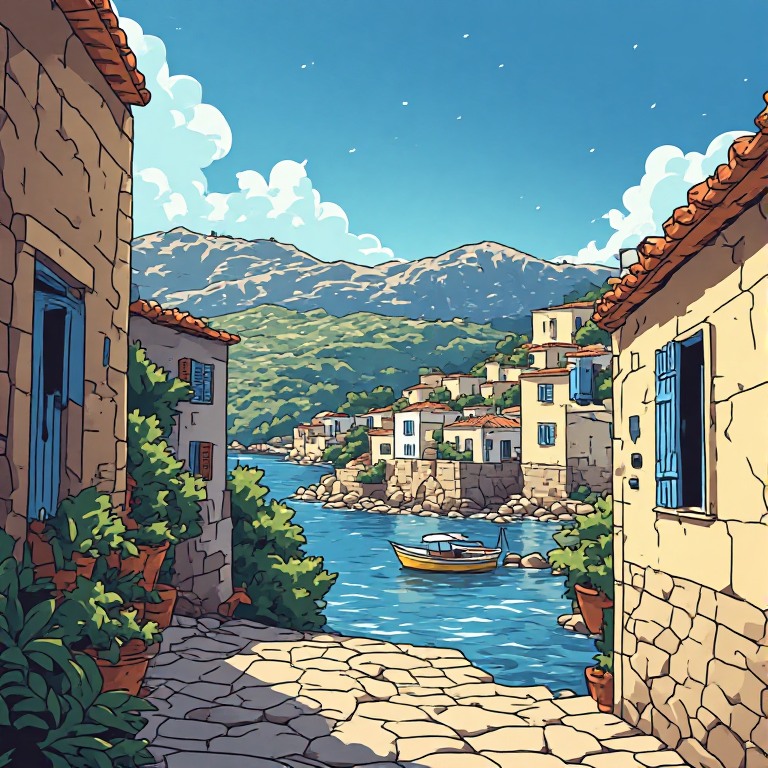
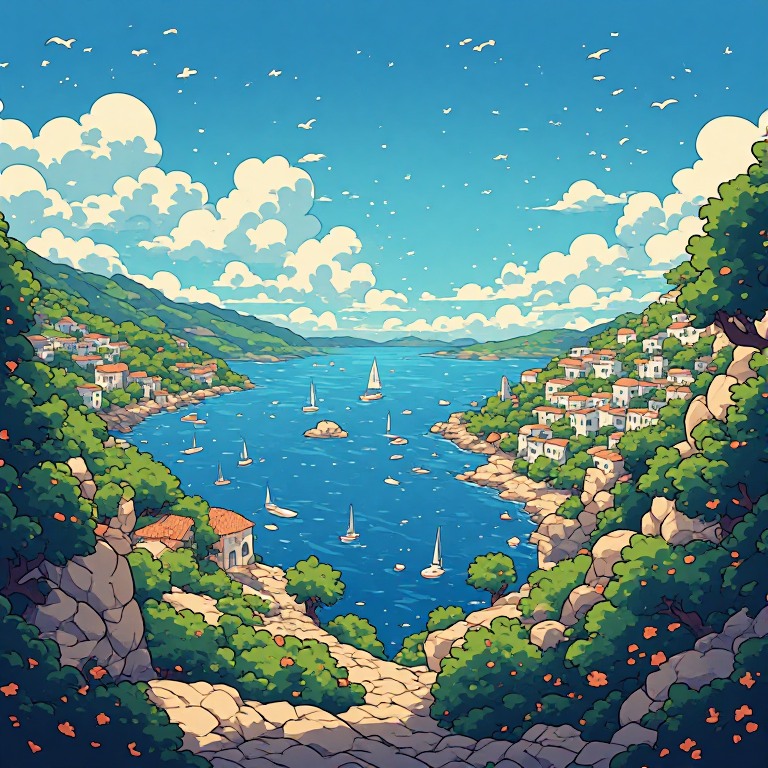
Even without images here, you can imagine Lygaria as a curved bay with turquoise water, framed by hills and scattered houses. Fishing boats, beach umbrellas, and the scent of grilled fish
and sea breeze create a setting that connects past and present in a very tangible way. 🐚